Posts

ADVANCING VITICULTURE USING CRISPR GENOME IN GRAPEVINES

Image
Hi Folks!! Follow our blog on Instagram  LAB IN THE BOX ADVANCING VITICULTURE USING CRISPR GENOME IN  GRAPEVINES Viticulture is the scientific study of grapes, including their growth and production. It also refers to the practice of cultivating grapevines for a specific purpose, such as wine production or fresh table grapes CRISPR-Cas9 is a gene-editing technology that allows researchers to correct errors in the genome and turn genes on or off. It's considered the simplest, most versatile, and precise method of genetic manipulation.  CRISPR-Cas9 gene editing consists of two elements:  Guide RNA: Locates the target DNA to be edited Cas-9: A protein that cuts the DNA at the location identified by guide RNA The GFP gene can be inserted downstream of the promoter of a gene in another organism. If the GFP gene is inserted correctly, it can be expressed in organisms other than jellyfish. Grapevine (Vitis vinifera L.) holds significant economic and cultural value, driv...
INTRODUCTION TO PHARMACOGENOMICS

Image
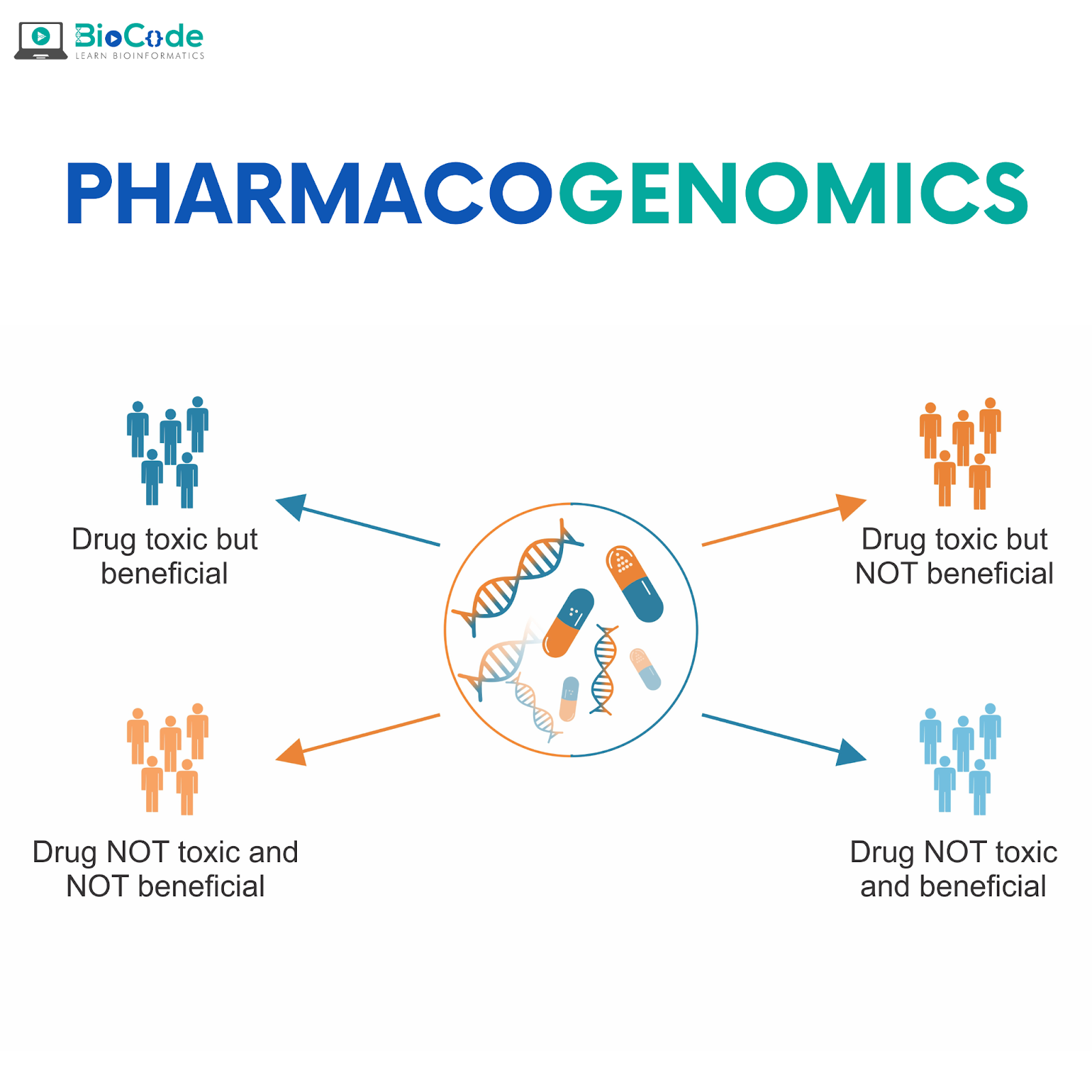
Hi Folks!! Follow our blog on Instagram  LAB IN THE BOX Pharmacogenomics, also known as pharmacogenetics, is  the study of how a person's genes affect their response to drugs. The  term comes from the words pharmacology and genomics and is thus the intersection of pharmaceuticals and genetics. Pharmacogenomics holds the promise that drugs might one day be tailor-made for individuals and adapted to each person's own genetic makeup. How a person responds to a drug (including positive and negative reactions) is a complex trait influenced by many different genes.  Pharmacogenomics combines traditional pharmaceutical sciences such as biochemistry with annotated knowledge of genes, proteins, and single nucleotide polymorphisms. The most common variations in the human genome are called single nucleotide polymorphisms (SNPs). There are estimated to be approximately 11 million SNPs in the human population, with an average of one every 1,300 base pairs. HISTORY: The first reco...

HUNTER'S SYNDROME (X-LINKED RECESSIVE DISORDERS SERIES 3)

Image
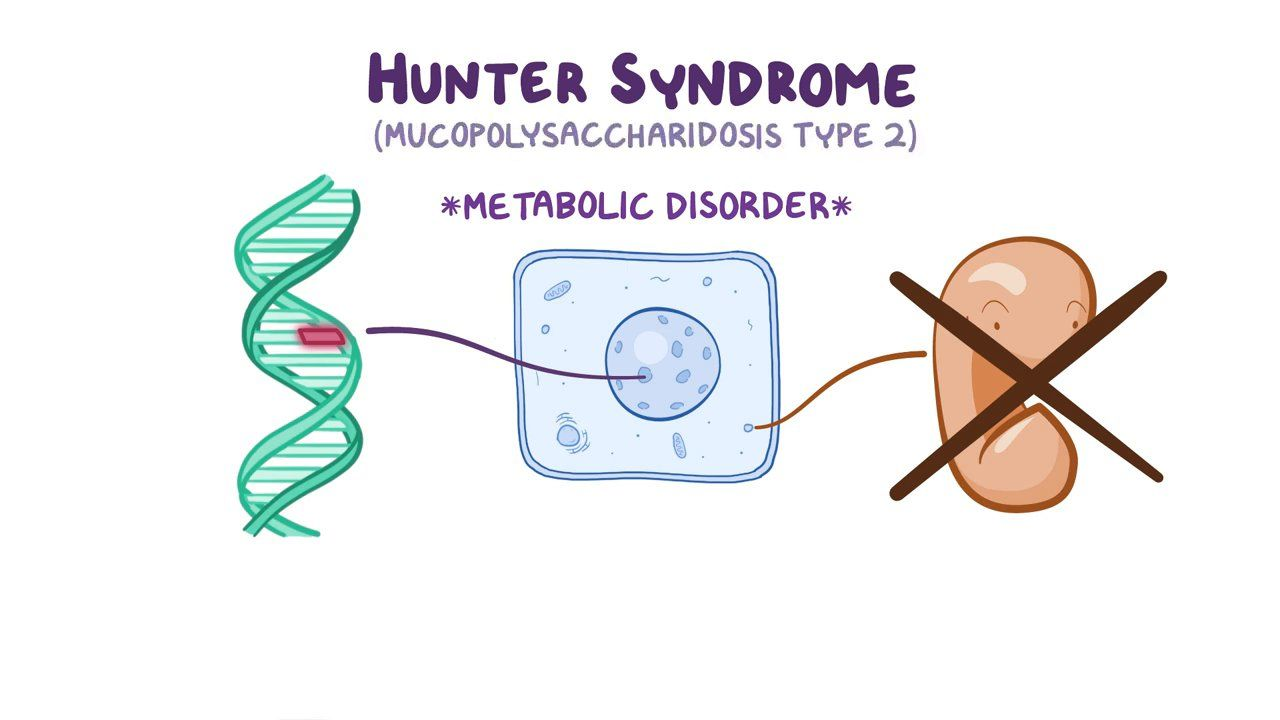
Hi Folks!! Follow our blog on Instagram  LAB IN THE BOX Hunter syndrome is an X-linked recessive disorder in which your child’s body doesn’t properly digest certain sugar molecules like glycosaminoglycans. When these molecules build up in organs and tissues over time, they can cause damage that affects physical and mental development. Hunter syndrome is one of a group of diseases called mucopolysaccharidoses. Another name for Hunter syndrome is mucopolysaccharidosis type II or MPS II. It is a very rare disorder diagnosed in roughly 1 out of every 100,000 to 170,000 children. SIGNS AND SYMPTOMS The symptoms of Hunter syndrome (MPS II) are generally not apparent at birth. The first symptoms may often include  abdominal hernias ,  ear infections , runny noses, and  colds . As the buildup of GAGs continues throughout the body's cells, signs of MPS II become more visible. The physical appearance of many children with the syndrome includes a distinctive...

HAEMOPHILIA (X-LINKED RECESSIVE DISORDERS SERIES 2)

Image
Hi Folks!! Follow our blog on Instagram  LAB IN THE BOX Hemophilia A is a genetic disorder caused by a deficiency of clotting factor VIII. It is the most common type of hemophilia, representing about 80% to 85% of all cases. Clotting factor VIII is crucial for the blood to form clots and prevent excessive bleeding.  Key points about Hemophilia A: 1. Genetic Inheritance: Hemophilia A is inherited in an X-linked recessive pattern primarily affecting males. Females can be carriers, but they typically do not show symptoms. 2. Symptoms: Individuals with hemophilia A may experience prolonged bleeding after injuries, easy bruising, and spontaneous bleeding. Joint bleeding is common and can lead to chronic joint disease if not properly managed. 3. Treatment: The mainstay of treatment for hemophilia A involves replacing the missing factor VIII through intravenous infusions. This can help control bleeding and prevent complications. 4. Factor VIII Replacement Therapy: Recombinant factor ...

LESCH-NYHAN SYNDROME (X-LINKED RECESSIVE DISORDERS SERIES 1)

Image
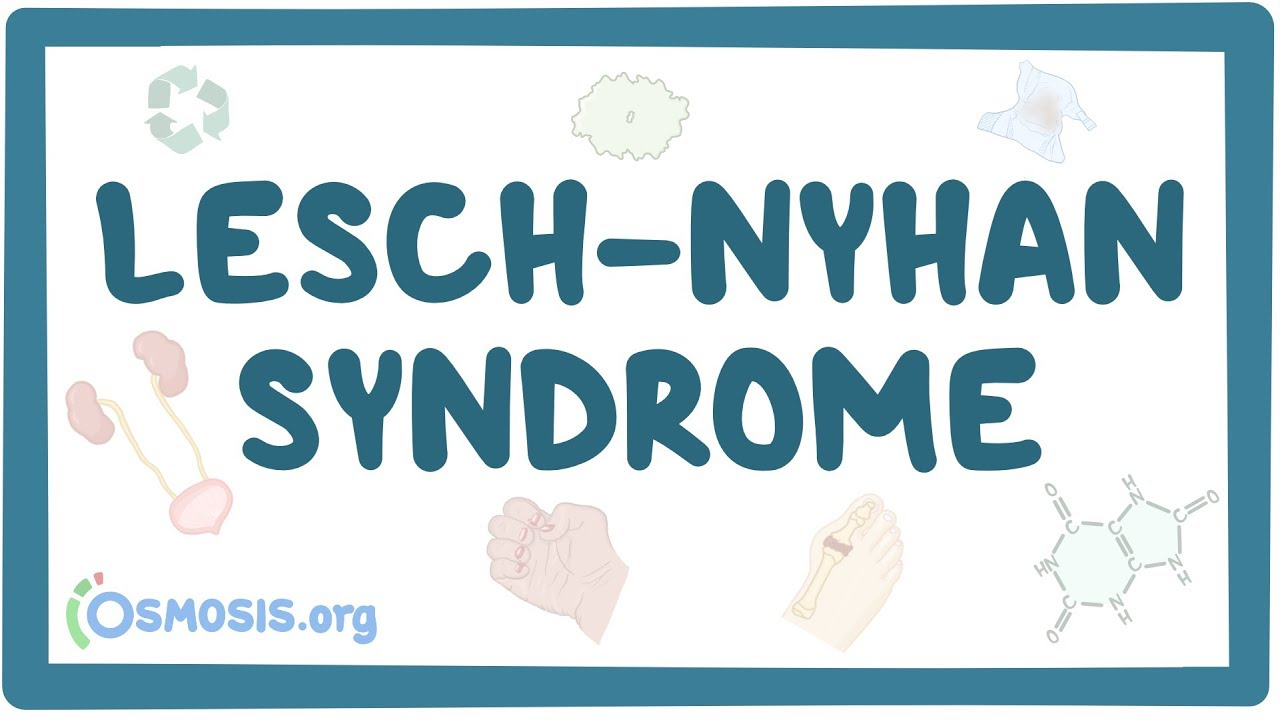
Hi Folks!! Follow our blog on Instagram  LAB IN THE BOX Lesch-Nyhan syndrome is a condition that occurs almost exclusively in males. It is characterized by neurological and behavioural abnormalities and the overproduction of uric acid.   Uric acid accumulation can also cause kidney and bladder stones.  The prevalence of Lesch-Nyhan syndrome is approximately 1 in 380,000 individuals . This condition occurs with a similar frequency in all populations. SIGNS AND SYMPTOMS   The symptoms of Lesch-Nyhan syndrome may become apparent as early as six months of age. Earlier urate crystal formation , resulting from abnormally increased uric acid levels in the urine, leads to the presence of orange-coloured deposits in the diapers of infants with this disorder. This may be the first manifestation of Lesch-Nyhan syndrome, but it is seldom recognized in early infancy. In older children with this disorder, deposits of sodium urate in cartilaginous tissues in joints and the ears; ...

FATHER OF IMMUNOLOGY

Image
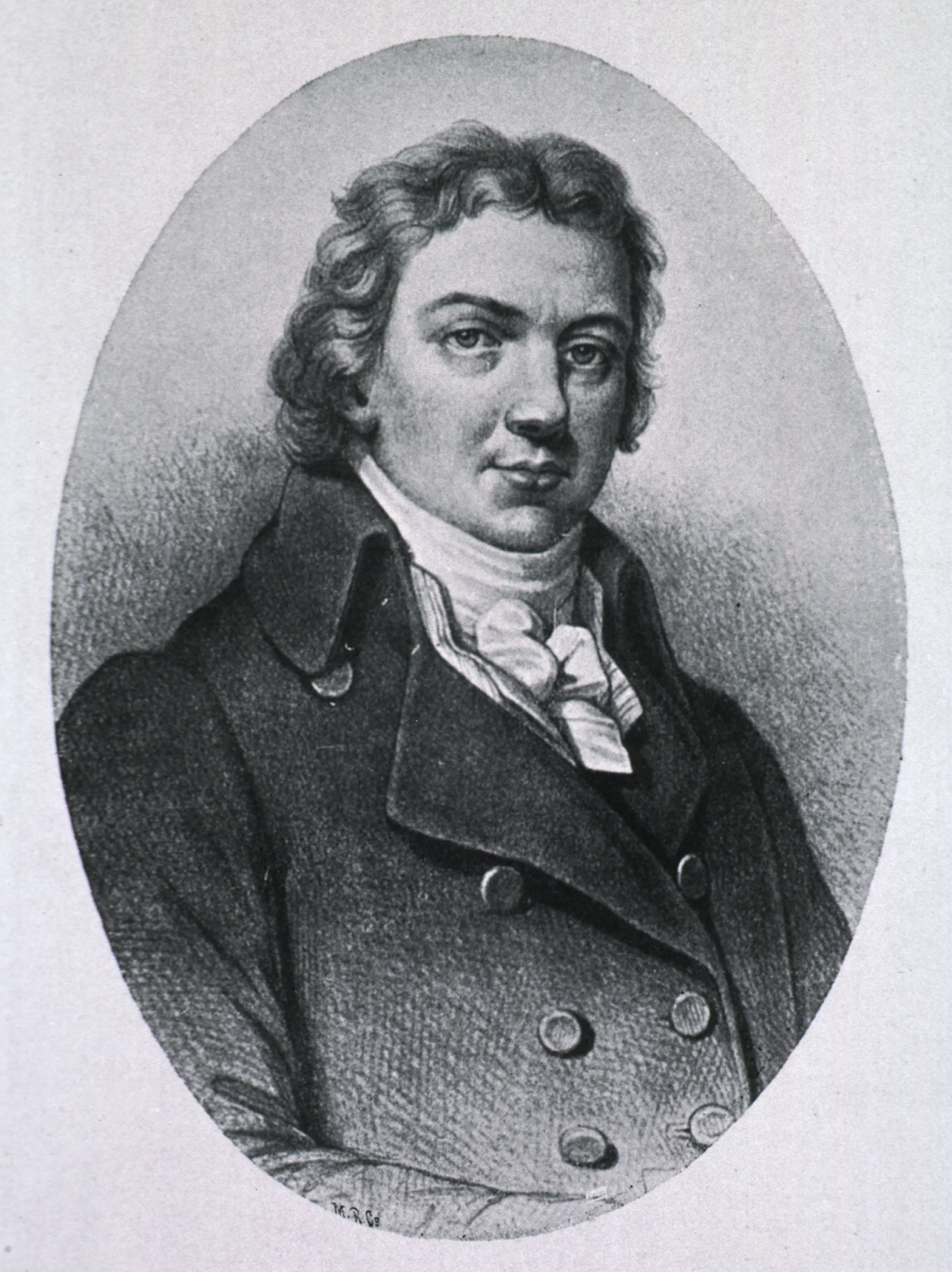
Hi Folks!! Follow our blog on Instagram LAB IN THE BOX Edward Jenner is often called "the father of immunology " and his work is said to have saved more lives than any other man. Edward Jenner was born on 17 May 1749 in Berkeley, Gloucestershire , England as the eighth of nine children. His father, the Reverend Stephen Jenner, was the vicar of Berkeley, so Jenner received a strong basic education. He went to school in Wotton-under-Edge at Katherine Lady Berkeley's School and in Cirencester . During this time, he was inoculated for smallpox , which had a lifelong effect on his general health. At 14, he was apprenticed for seven years to Daniel Ludlow, a surgeon of Chipping Sodbury, South Gloucestershire, where he gained most of the experience needed to become a surgeon. In 1773, Jenner became a successful family doctor and surgeon, practicing on dedicated premises at Berkeley. In 1792, with twenty years of experience in general practice and surgery, Jenner obtained ...

FATHER OF MICROBIOLOGY

Image
Hi Folks!! Follow me on instagram  LAB IN THE BOX Antonie Van Leeuwenhoek is known as the “Father of Microbiology”.Antonie Van Leeuwenhoek. Hailing from the Netherlands, he was not only a successful businessman but also a scientist of great repute. He thrived during the flourished era of Dutch science and technology in the 17th century, earning the endearing title of the “Father of Microbiology” due to his revolutionary findings that transformed our comprehension of the microscopic realm. Antonie Van Leeuwenhoek’s groundbreaking contributions to microbiology began with his remarkable improvements to the microscope. In an era when microscopes offered limited magnification, Van Leeuwenhoek ingeniously boosted their power from 20x to an astonishing 270x. This significant advancement paved the way for his groundbreaking discoveries. Van Leeuwenhoek’s term “Animalcules” referred to the microscopic single-celled organisms he discovered. This discovery not only expanded our knowledge of t...

FATHER OF BIOTECHNOLOGY

Image
Hi Folks!! Follow me on instagram  LAB IN THE BOX FATHER OF BIOTECHNOLOGY Károly Ereky  ( German :  Karl Ereky ; 20 October 1878 – 17 June 1952) was a  Hungarian  agricultural engineer. The term ' biotechnology ' was coined by him in 1919.  He is regarded by some as the "father" of biotechnology. Ereky coined the word "biotechnology" in Hungary during 1919 in a book he published in Berlin called  Biotechnologie der Fleisch-, Fett- und Milcherzeugung im landwirtschaftlichen Grossbetriebe  (Biotechnology of Meat, Fat and Milk Production in an Agricultural Large-Scale Farm) where he described a technology based on converting raw materials into a more useful  product, Károly   Ereky was born on 18 October 1878 in Esztergom, Hungary. He completed his education in Budapest and Berlin, where he studied agricultural engineering. After completing his education, he worked as a machine designer for several paper and food industries in Vienna, Austr...

BIOTECH TRENDS THAT YOU NEED TO KNOW IN 2023 - 2030- PART 4

Image
Hi Folks!! Follow me on instagram  LAB IN THE BOX 5. SYNTHETIC BIOLOGY Synthetic biology involves designing and re-engineering new biological systems that do not exist in nature. It has enormous potential for developing new drugs. 6. PRECISION MEDICINE Precision medicine is a personalized approach to healthcare that uses genetic, genomic and clinical data to tailor treatment to the individual needs of the patient. It offers the potential to improve patient outcome and reduce health care costs For e.g. :- 1. Pharmacogenomics can be used to identify patients who may have adverse reaction to certain drugs so that allowing them for personalized drug treatment                       2. Liquid biopsy which is a minimally invasive diagnostic tool that can detect cancer at the early stages leading to the better treatment outcome 7. IMMUNO- ONCOLOGY:- Immuno-oncology involves using the immune system to treat canc...

BIOTECH TRENDS THAT YOU NEED TO KNOW IN 2023 - 2030- PART 3

Image
Hi Folks!! Follow me on instagram  LAB IN THE BOX 5. GENE EDITING Gene-editing technology, particularly the Crispr- cas9 system, has revolutionized the field of genetics. It enables scientists to precisely edit genes in living organisms, offering new possibilities for curing genetic diseases and engineering organisms foe beneficial traits. E.g: Used to correct the genetic defect that causes the disease. Gene editing can be used to engineer drought resistance, making them more resilient to climate change. 6. CELL THERAPY Cell therapy involves using living cells to treat or prevent diseases. It has shown great potential in treating cancer, autoimmune diseases, and other disorders. It has three types, 1.CAR- T cell therapy 2.STEM Cell therapy 3. T-cell Immunotherapy